
Homeowners must prioritize electrical maintenance to guarantee safety and efficiency in their residences. Regular checks of circuit breakers and fuses can prevent potential hazards. Additionally, inspecting outlets and switches for issues can enhance electrical performance. Proper appliance maintenance plays a vital role as well. Understanding grounding and bonding is essential in safeguarding against electrical faults. There are more important practices that can be implemented for effective electrical upkeep.
Key Takeaways
- Regularly inspect circuit breakers and fuses for wear, corrosion, or tripping issues to ensure safety.
- Check electrical outlets and switches for loose connections, discoloration, and functionality to prevent hazards.
- Maintain appliances by cleaning them and replacing worn cords to enhance performance and safety.
- Schedule professional electrical inspections every three years to identify hazards and ensure compliance with safety standards.
- Prioritize grounding and bonding to minimize electric shock risks and enhance overall electrical safety in your home.
Regularly Check Circuit Breakers and Fuses
How often should homeowners inspect their circuit breakers and fuses? Regular inspections are vital for maintaining a safe and efficient electrical system. Homeowners should check their circuit breakers and fuses at least twice a year, looking for signs of wear, corrosion, or any unusual odors. This proactive approach is one of the essential electrical system maintenance tips that can prevent potential hazards. If a breaker frequently trips or a fuse blows, it may indicate an underlying issue that requires immediate attention from a licensed electrician. Keeping these components in good working condition not only promotes safety but also enhances the longevity of the home’s electrical system. By adhering to this routine, homeowners can foster a secure living environment for themselves and their families.
Inspect Electrical Outlets and Switches
Inspecting electrical outlets and switches is a vital aspect of electrical system maintenance tips that homeowners should prioritize. Regular inspections can identify potential hazards, such as loose connections, signs of overheating, or visible damage. Homeowners should check for discoloration around outlets and make certain that covers are securely attached to prevent dust accumulation. Additionally, testing switches for proper functionality is essential; flickering lights may indicate a deeper electrical issue. It is advisable to use a voltage tester to confirm outlets are functioning correctly and to check for the presence of ground faults. By maintaining a vigilant approach to outlets and switches, homeowners can enhance safety and prolong the life of their electrical systems, fostering a secure living environment for all.
Maintain Your Electrical Appliances
To guarantee the longevity and efficiency of electrical appliances, homeowners must prioritize regular maintenance as part of their electrical system maintenance tips. This includes routinely cleaning appliances to prevent dust accumulation, which can hinder performance. Checking and replacing worn-out cords and plugs is essential to avoid hazards. Homeowners should also verify that appliances are not overloaded, adhering to the manufacturer’s guidelines regarding usage. Additionally, inspecting and cleaning filters in appliances such as air conditioners and dryers can greatly improve their efficiency. Regularly reviewing user manuals for specific maintenance instructions is advisable. By implementing these practices, homeowners can enhance the lifespan and reliability of their electrical appliances, contributing to overall safety and functionality within the home.
Schedule Professional Electrical Inspections
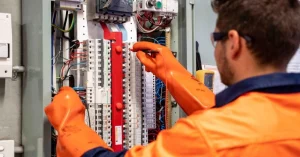
Regular maintenance of electrical appliances sets the foundation for a safe and efficient home environment. Scheduling professional electrical inspections is a vital component of thorough electrical system maintenance tips. These inspections, conducted by licensed electricians, identify potential hazards such as faulty wiring, outdated circuits, or overloaded systems that may pose risks. Regular evaluations can enhance the longevity of electrical components and guarantee compliance with safety regulations. Homeowners are encouraged to schedule these inspections at least once every three years or when significant renovations occur. This proactive approach not only safeguards the household but also contributes to lower energy costs and improved system performance. Ultimately, professional inspections empower homeowners to foster a secure and welcoming living space for their families.
Understand the Importance of Grounding and Bonding
Grounding and bonding are critical components of an electrical system, as they guarantee safety and reliability by preventing electrical shock hazards and equipment damage. Grounding involves connecting the electrical system to the Earth, providing a safe pathway for fault currents. This minimizes the risk of electric shock by ensuring that exposed metal parts do not carry live electricity. Bonding, on the other hand, connects various conductive parts to maintain the same electrical potential, reducing the likelihood of arcing. Together, these practices enhance overall electrical system maintenance by ensuring that any faults are safely redirected. Homeowners should prioritize grounding and bonding as essential elements of their electrical maintenance strategies, fostering a secure environment for their families and belongings.
Frequently Asked Questions
How Often Should I Replace My Smoke Detector Batteries?
Smoke detector batteries should be replaced at least once a year. Additionally, testing the detectors monthly guarantees functionality, contributing to overall safety and reliability within the home’s electrical system, promoting a secure living environment.
Can I Do My Own Electrical Repairs Safely?
While some minor electrical repairs can be safely performed by homeowners, complex tasks should always be handled by professionals. Ensuring personal safety and adherence to electrical codes is paramount for effective electrical system maintenance tips.
What Signs Indicate I Need an Electrical Upgrade?
Signs indicating the need for an electrical upgrade include frequent circuit breaker trips, flickering lights, the use of outdated wiring, and insufficient outlets for modern appliances, all suggesting a potential safety hazard or inadequate electrical capacity.
How Can I Prevent Electrical Fires in My Home?
To prevent electrical fires, homeowners should regularly inspect wiring, avoid overloading circuits, use appropriate wattage bulbs, and install smoke detectors. Maintaining electrical systems through these precautions greatly reduces fire hazards and enhances overall safety.
What Should I Do During a Power Outage?
During a power outage, individuals should check circuit breakers, refrain from opening refrigerators, use flashlights instead of candles, and keep a battery-powered radio for updates, ensuring safety and preparedness throughout the disruption.
Conclusion
In summary, following simple electrical maintenance tips can greatly enhance the safety and efficiency of a home’s electrical system. Homeowners should regularly check circuit breakers and fuses, inspect outlets and switches, maintain appliances, and schedule professional inspections. Additionally, understanding grounding and bonding is essential for preventing electrical hazards. By adopting these practices, homeowners can guarantee a secure living environment and prolong the lifespan of their electrical systems, ultimately promoting overall household safety and efficiency.
To learn more visit:


